
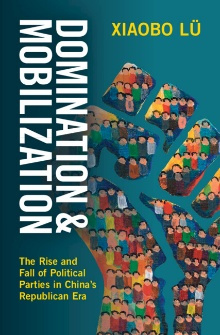
E-Book
Domination and Mobilization
ISBN : 9781009588867
Author : Xiaobo Lü
Publisher : Cambridge University Press
Year : 2025
Language : English
Type : E-book
Cuncurrent Users : Unlimited
Description : Book description Examining the miraculous rise of the Chinese Communist Party (CCP) and the surprising downfall of the Kuomintang (KMT) in the early twentieth century, Xiaobo Lü reveals that domination and mobilization are key for authoritarian parties to seize state power, challenging the prevailing wisdom on power-sharing and emphasizing the importance of dominant party leaders for organizational strength and resource mobilization. Lü convincingly argues that the CCP's mass mobilization infrastructure, initially seen as a disadvantage before the Sino-Japanese War, became a powerful asset during the war and led to its victory. The KMT's elite mobilization infrastructure, conversely, was decimated by the war, and its lack of a strong leader prevented a successful shift in party-building strategy. Party building subsequently played a pivotal role in shaping the successes and failures of resource mobilization for both parties. The book sheds new light on the origins of the CCP and the inner workings of revolutionary parties, making in a landmark study in Chinese politics. Reviews ‘This fascinating comparative study of the evolution of the Kuomintang and the Chinese Communist Party is a fresh take on revolutionary party elites and the strategies they pursue. Xiaobo Lu brings the reader back to China’s Republican era, a time of war and mobilization and fierce ideological competition, to the origins of the two most important political organizations in modern Chinese history. This is an outstanding contribution to the China field, and the book that comparativists who study revolutionary party strategy have been waiting for.’ Thomas Pepinsky - Walter F. LaFeber Professor of Government and Public Policy, Cornell University ‘Domination and Mobilization is a must-read for anyone studying revolutionary parties, in China and beyond. The book significantly advances our understanding of the histories of the CCP and the KMT. It contributes to the comparative scholarship on authoritarian parties by demonstrating the usefulness of an organized mass following amidst crisis, and by making the case for the benefits of a dominant party leadership. For teaching purposes, the book is organized in such a way that one could assign stand-alone chapters. Read as a whole, Xiaobo Lü’s book is a landmark work in the historical comparative study of party development.’ Daniel Koss Source: The China Quarterly
RECOMMENDED BOOKS
Science, Engineering Management and Information Technology
Babek Erdebilli
Disclosure Laws in the Digital Era
Uri Benoliel

Practices of Resilient Companies: Overcome Disruption with Compassion, Collaboration, and Knowledge
Ron Robinson
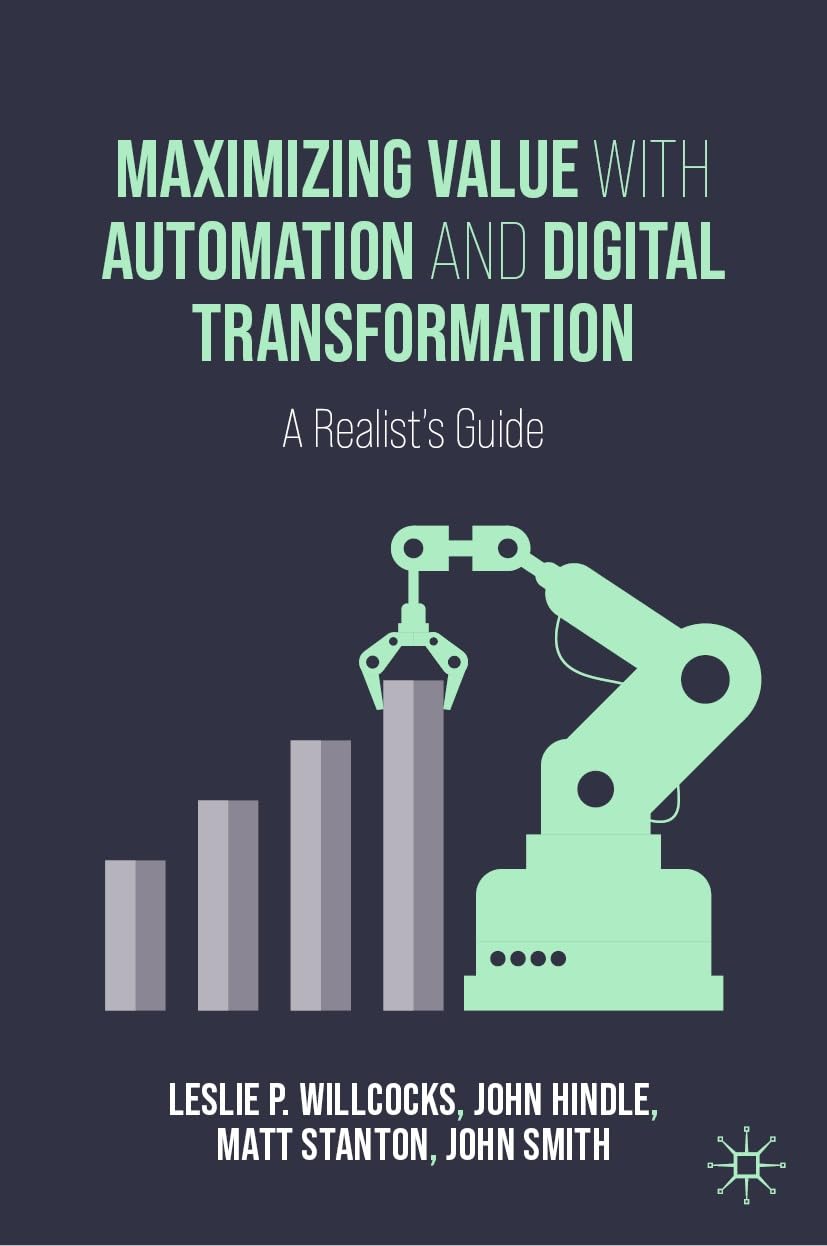
Maximizing Value with Automation and Digital Transformation
Leslie P. Willcocks

Orphanage Tourism in Nepal
Esther Bott

Build Better Brains!: A Leader’s Guide to the World of Neuroscience
Martina Muttke
The Shanghai Cooperation Organization and China's Vision of International Relations
Eva Seiwert

AI-Powered Dermatology: Revolutionizing Skin Health Through Artificial Intelligence
Shirmohammad Tavangari