
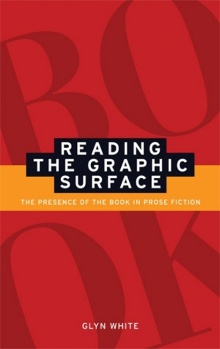
E-Book
Reading the graphic surface
ISBN : 9781526130778
Author : Glyn White
Publisher : Manchester University Press
Year : 2026
Language : English
Type : E-book
Cuncurrent Users : Unlimited
Description : Book description This book constructs a vocabulary for the literary study of graphic textual phenomena. It examines the typographic devices within a very particular context: that of the interpretation of prose fiction. The graphic surface of the page is a free two-dimensional space on which text appears either mechanically or consciously. As visual arrangements of printed text on the graphic surface, graphic devices can contribute to the process of reading, combining with the semantic content within the context which that text creates. The book first sets out to demonstrate both how and why the graphic surface has been neglected. It looks at the perception of the graphic surface during reading and how it may be obscured by other concerns or automatised until unnoticed. Then, the book examines some critical assumptions about the transformation of manuscript to novel and what our familiarity with the printed form of the book leads us to take for granted. It looks at theoretical approaches to the graphic surface, particularly those which see printed text as either an idealised sign-system or a representation of spoken language. The book further looks at how 'blindness' to the graphic surface, and particularly its mimetic usage, is reflected and perpetuated in literary criticism. It deals with the work of specific authors, their texts and the relevant critical background, before providing a concluding summary which touches on some of the implications of these analyses.
RECOMMENDED BOOKS
Psychiatric mental health nursing success : NCLEX®-style Q&A review
Cathy Melfi Curtis
Orphanage Tourism in Nepal
Esther Bott
Understanding the Ethics of Generative AI
Loveleen Gaur
CRISPR-Cas9 as a Revolutionary Gene Editing Tool
Abdul Basit
LIFE 4.0
Ali Soofastaei
Digital Transformation in Achieving Sustainable Development of Management, Economic, and Applied Sciences
Alaa Ali Hameed
Next Generation Crop Improvement for Agricultural Sustainability and Food Security
Belaghihalli N Gnanesh
Soil Nanotechnology
Akhtar Hameed