E-Book
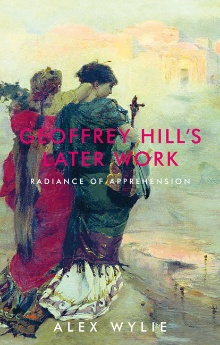
Geoffrey Hill's Later Work
ISBN : 9781526124951
Author : Alex Wylie
Publisher : Manchester University Press
Year : 2026
Language : English
Type : E-book
Cuncurrent Users : Unlimited
Description : Book description Geoffrey Hill’s work from 1996 to 2016 is a distinct phase and a development from his earlier work. This later phase is instigated by a divergence from T.S. Eliot and by Hill’s critiques of such modernist poets as W.B. Yeats and Ezra Pound, along with an abiding commitment to modernist claims about poetry. Hill’s divergence from these figures takes the form of a strenuous re-reading of modernism and its legacies, and at its heart is a close engagement with the work of F.H. Bradley, the philosopher on whom Eliot wrote his doctoral dissertation. The poetry and criticism of this period is energised by a perplexed commitment to being and an attendant sense of swimming against the stream of the “stridently post-cultural” postmodern moment in which this work takes its place. The philosophical notion of “intrinsic value” is accordingly central to this later work, as is the cultural-political sense of this period being one of “plutocratic anarchy”. The political place of poetry, and what this book in its final chapter terms the political imagination, is a crucial element in the later work, and is placed in the context of such figures as Coleridge, Wordsworth, Ruskin, Shakespeare and Dante. The cultural politics at the heart of Hill’s later achievement is also explored, drawing on the work of George Steiner, Gabriel Marcel, and Noam Chomsky, among others, along with his controversial commitment to the right of art to be difficult and his assertion that such difficulty is truly democratic.
RECOMMENDED BOOKS
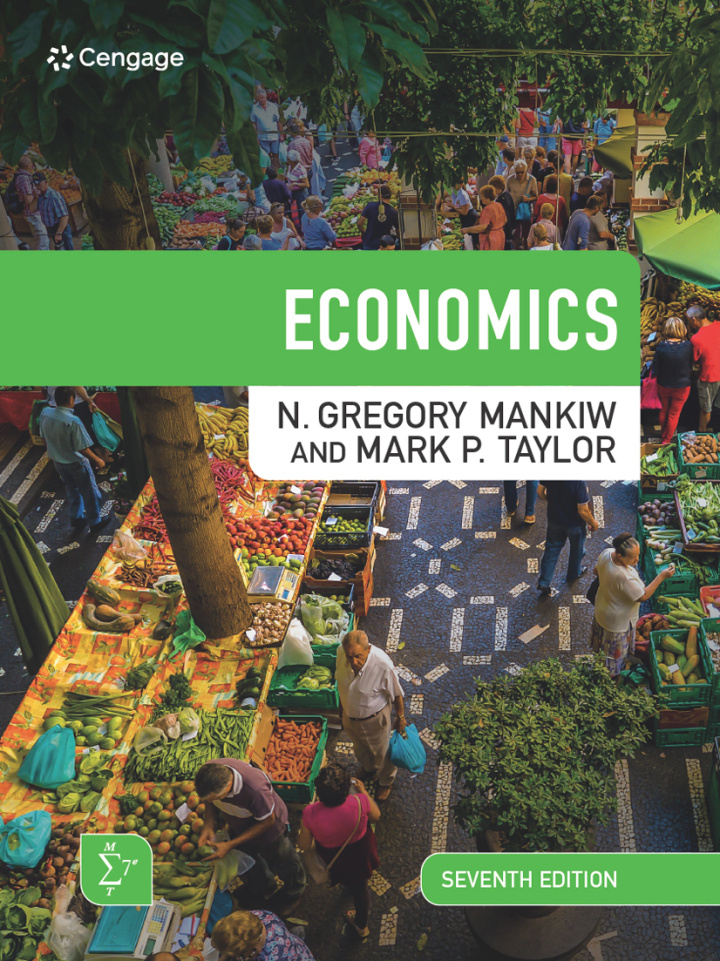
Economics
N. Gregory Mankiw
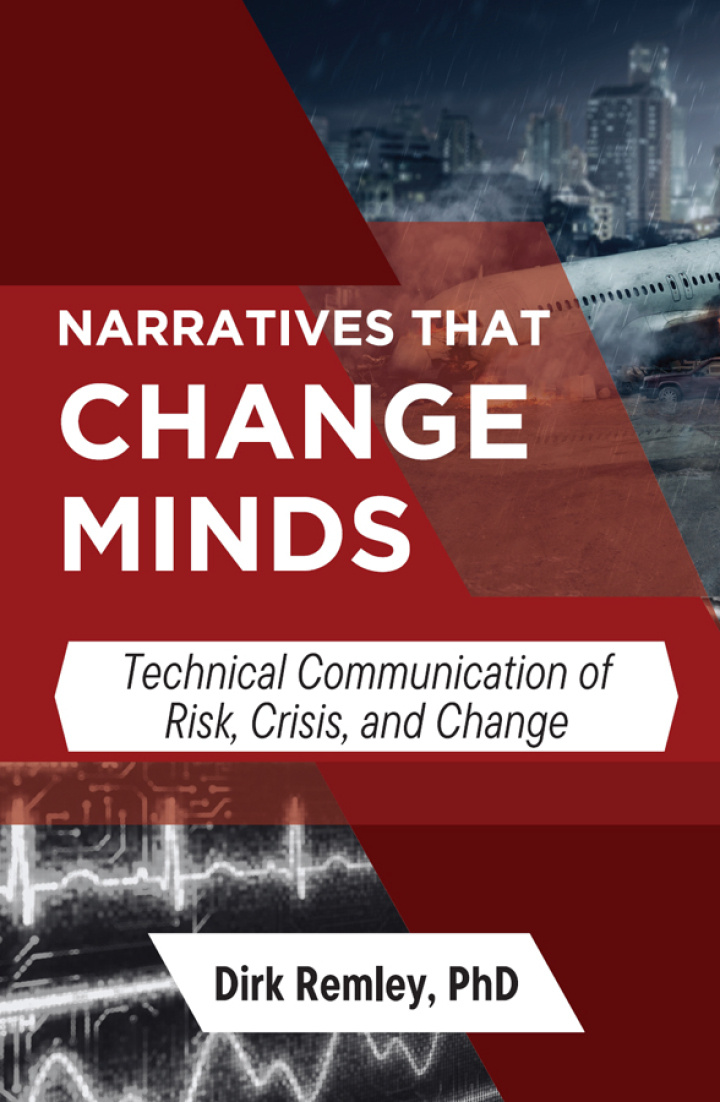
Narratives that Change Minds: Technical Communication of Risk, Crisis, and Change
Dirk Remley
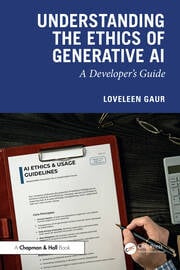
Understanding the Ethics of Generative AI
Loveleen Gaur
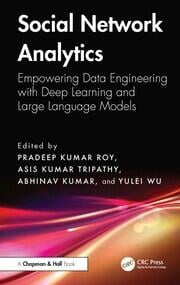
Social Network Analytics
Pradeep Kumar Roy
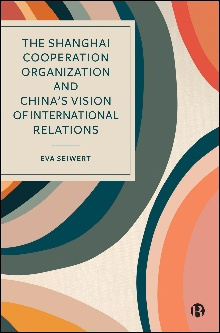
The Shanghai Cooperation Organization and China's Vision of International Relations
Eva Seiwert
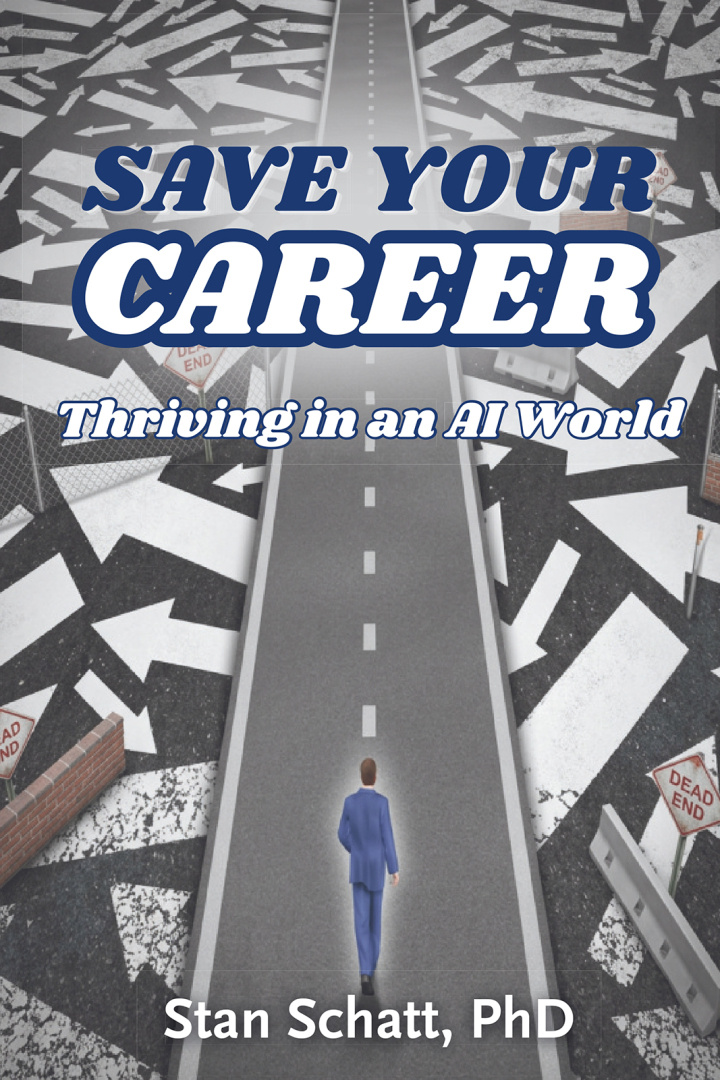
Save Your Career: Thriving in an AI World
Stan Schatt
Covert Communication in the Meta Era
Leila Benarous
Robotics and Digital Technologies in Agriculture
Andrey Ronzhin