E-Book
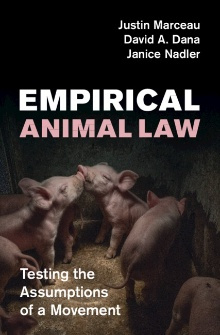
Empirical Animal Law
ISBN : 9781009850438
Author : Justin Marceau
Publisher : Cambridge University Press
Year : 2026
Language : English
Type : E-book
Cuncurrent Users : Unlimited
Description : Book description Empirical Animal Law challenges long-held assumptions about what animal law reforms help or harm animals. Drawing on original empirical studies and a broad interdisciplinary body of research, the book tests whether familiar tools of advocacy such as incremental reforms, criminal prosecutions, litigation, and protest really reduce animal suffering. Moving beyond moral intuition and ideology the book reveals how people perceive animal harm, which messages and messengers persuade, and when well-intentioned strategies may backfire. With chapters on factory farming reforms, criminal punishment, litigation strategy, protest backlash, and moral framing, Empirical Animal Law offers the first comprehensive, data-driven account of how animal law operates in practice and calls for a new empirically informed movement. Reviews ‘With this volume, the academic study of animal law has entered a new era. Theoretically ambitious, methodologically sophisticated, and breathtaking in scope, this book sheds new light on the most pressing questions facing the field. It will be of immense value to scholars and practitioners of animal law and, indeed, to anyone interested in law and social change.’ Douglas A. Kysar - Joseph M. Field '55 Professor of Law, Faculty Director, Law, Environment, and Animals Program, Yale Law School ‘People who practice animal law depend on scholars and advocates in other fields to provide the information they need to do their important work, but does this advice really reduce or end exploitation? The authors insistence that lawyers working in this field must empirically test their assumptions and learn from their mistakes is well-taken and I remain optimistic that their detailed analyses will be a positive move for increasing animal well-being across diverse species.’ Marc Bekoff - author of The Emotional Lives of Animals: A Leading Scientist Explores Animal Joy, Sorrow, and Empathy―and Why They Matter
RECOMMENDED BOOKS

Mental Health Crisis based on the life of William Foraker
Phyllis Foraker
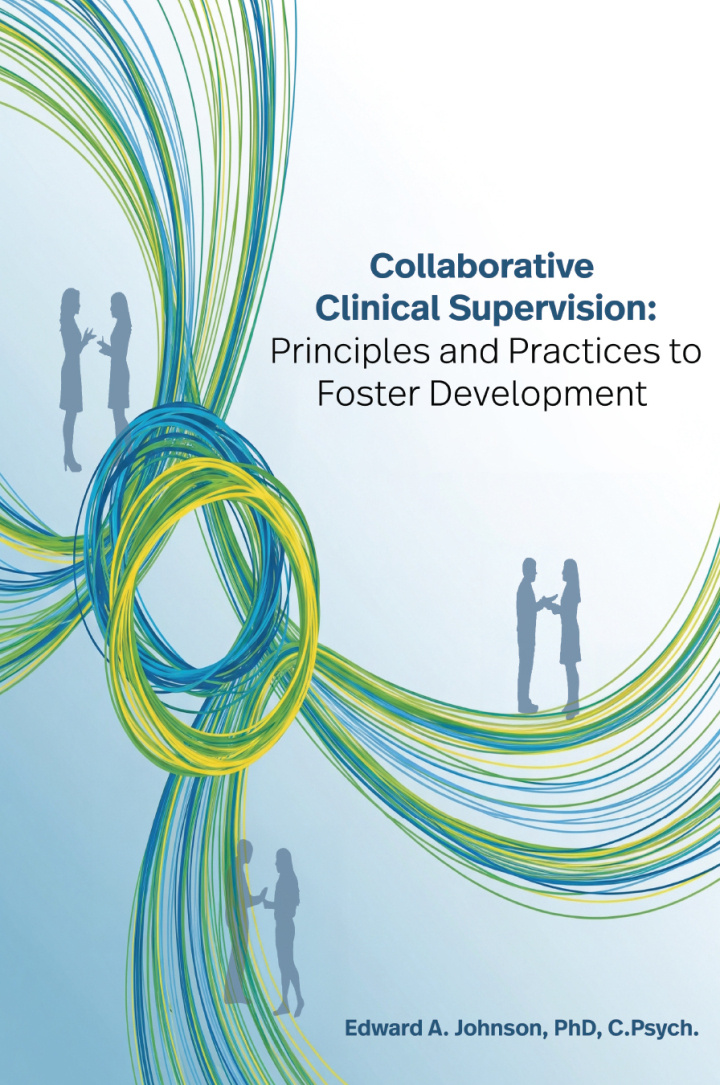
Collaborative Clinical Supervision: Principles and Practices to Foster Development
Edward Johnson
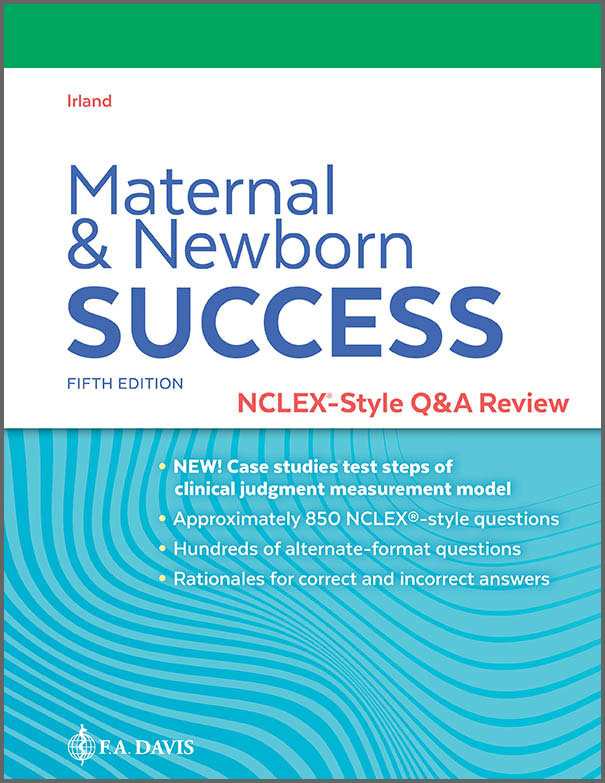
Maternal and newborn success : nclex®-style q&a review
Nancy Beck Irland

Transnational Korean Englishes
Sofia Rüdiger
Medicine In Dentistry
Markus Tröltzsch

Practical Cryostat Design and Construction
Zuyu Zhao
Marketing in a Digital World
Varsha Jain
Diseases of Economically Important Horticultural Crops
Deepak Mourya