
Book
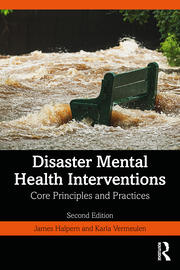
Disaster Mental Health Interventions
ISBN : 9781041138297
Author : James Halpern
Publisher : Routledge
Year : 2026
Language : English
Type : Book
Description : Introduction 1 What Is Disaster Mental Health? A Brief History The Role of the Helper “I Don’t Need Mental Health” Who Provides the Mental Health Response? Settings The DMH Role over Time Who Are Your Clients? 2 Describing Disasters Types and Frequencies of Events Disasters versus Routine Emergencies Disaster Characteristics 3 Disaster’s Impact: Typical Reactions Reactions by Realm Reactions by Time: Throughout the Disaster Life Cycle Reactions by Location: Proximity and the Dose– Response Relationship Survivor Guilt, Self- Blame, and Shame Resilience Posttraumatic Growth 4 Disaster Loss and Grief Reactions to Loss Characteristics of Disaster-Caused Deaths Ambiguous Loss Media’s Impact The Role of Rituals Public Rituals Supporting the Bereaved Anniversary Reactions 5 Disaster’s Impact: Extreme Reactions Risk Factors for PTSD and Other Illnesses Trajectories following Traumatic Events Posttraumatic Stress Disorder in Adults Major Depressive Disorder Prolonged Grief Disorder Other Health and Mental Health Problems Referrals for Long-Term Care 6 Early Interventions: Psychological First Aid The Importance of Early Intervention Evidence-Based Principles of Early Intervention Psychological First Aid Some Cautions when Using PFA 7 Early Interventions: Other Actions Assisting with Problem-Solving Correcting Distorted Self-Cognitions Rumor Control, Misinformation, and Disinformation Conflict Mitigation Assessment, Triage, and Screening Referrals for Long- Term Care Psychological Debriefing: Criticisms and Cautions Teaching Neighbors to Help Neighbors Coping in Today’s World An Ounce of Prevention … 8 High-Needs Populations Frail Older Adults People with Physical Disabilities People with Mental Disabilities Other High-Needs Groups 9 Children and Families Children’s Trauma Reactions Risk Factors Dread About Climate Change and School Shootings Helping Children and Families Talking with Children Making Referrals 10 Cultural Considerations How Culture Shapes Functioning How Culture Shapes Reactions to Disaster Cross-Cultural Issues in Shelters Improving Your Ability to Help Across Cultures 11 Maintaining Helper Wellness and Competence Logistics of Deployment Helper Reactions Self- Care 12 Conclusions and New Directions Forced Migration Incorporating Technology in Disaster Response Artificial Intelligence in Disaster Preparedness and Response The Continuing Need for Research Prevention Through Advocacy A Final Note Index
RECOMMENDED BOOKS
Macintyre’s Acute Pain Management
Pamela E. Macintyre

Teaching linguistics with games
Vita V. Kogan

Python for Excel Users
Chi-Chun Chou(TF165 50)
Blombäck's Essential Guide to Blood Coagulation: A Practical Guide to Diagnosis and Treatment of Hemostatic Disorders
Jovan P. Antovic

Institutional Elderly Care in China
Mingyang Li

Elements of deep learning
Benyamin Ghojogh

Digital Vulnerability in Criminal Justice
Carolyn McKay

Data Analysis with Rstudio
Franz Kronthaler